How Shop Memory Care Homes Offer More Meaningful Senior Care
Business Name: BeeHive Homes of Clovis
Address: 2305 N Norris St, Clovis, NM 88101
Phone: (505) 591-7025
BeeHive Homes of Clovis
Beehive Homes of Clovis assisted living care is ideal for those who value their independence but require help with some of the activities of daily living. Residents enjoy 24-hour support, private bedrooms with baths, medication monitoring, home-cooked meals, housekeeping and laundry services, social activities and outings, and daily physical and mental exercise opportunities. Beehive Homes memory care services accommodates the growing number of seniors affected by memory loss and dementia. Beehive Homes offers respite (short-term) care for your loved one should the need arise. Whether help is needed after a surgery or illness, for vacation coverage, or just a break from the routine, respite care provides you peace of mind for any length of stay.
2305 N Norris St, Clovis, NM 88101
Business Hours
Families normally start looking at memory care after a series of little alarms. A parent who leaves the range on, gets lost driving a familiar path, or begins calling in the evening since they can not find the bathroom in their own home. By the time you are comparing choices, you are not simply purchasing a building. You are choosing the team that will stand between your loved one and crisis at 2 a.m.
That is where store memory care homes differ. They are not the ideal option for everyone, but when they fit, they can transform dementia care from a custodial service into a deeply personal life setting.
This is not theory. It shows what a number of us in senior care have actually seen on the ground, shift after shift, family after family.
What "shop memory care" in fact means
The word "boutique" gets utilized loosely in senior care marketing. At its most beneficial, it explains smaller sized, more intimate environments designed specifically for locals coping with some kind of cognitive problems, rather than big general assisted living communities that also accept locals with dementia.
A couple of functions tend to show up regularly in authentic store memory care homes:
They are small. Frequently 6 to 20 locals in a single home or cluster of homes. Personnel can discover not just everyone's care strategy, but their patterns, worries, humor, and tells.
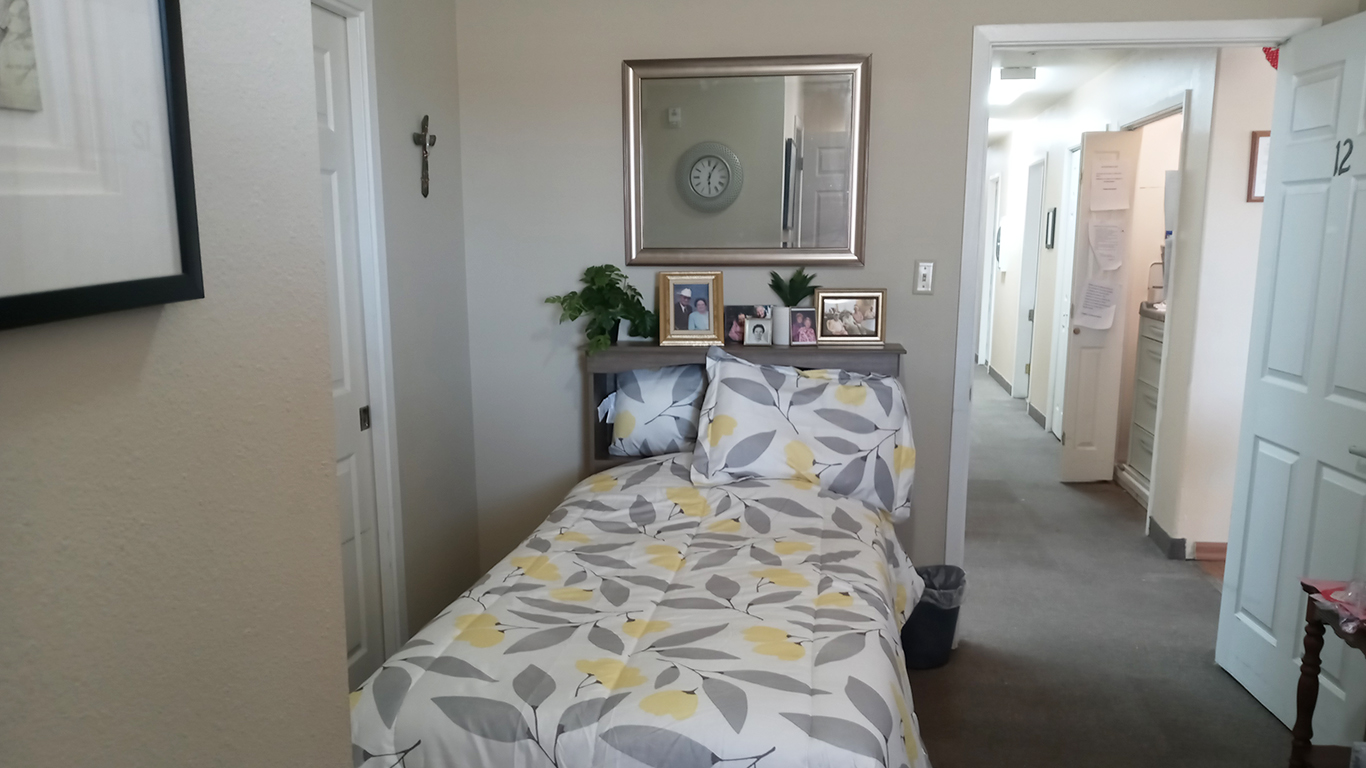
They are purpose-built or greatly customized. Corridors are much shorter. Lighting is softer and more even. Flooring decreases glare and depth confusion. There are visual hints to assist with orientation. Outside space is enclosed however inviting.
They run with a high staff-to-resident ratio compared with common assisted living. That does not just indicate more hands. It indicates time to slow down, to sit, to redirect carefully instead of hurrying every interaction.
They concentrate on memory care. The everyday regimen, staff training, activities, and even the menu are structured around people living with Alzheimer's disease and other dementias, not around the benefit of an institution.
This structure alters the quality of senior care in ways that are difficult to see on a pamphlet, however really clear when you walk in the door.
Why scale matters when cognition is changing
People with dementia have less cognitive reserves to handle stress. Little disturbances that a healthy adult adapts to without thinking can feel overwhelming or perhaps scary. The size and pace of an environment either remove tension from the day or inject it into every hour.
In a 60 or 90 bed assisted living facility, even with a designated memory care wing, the default pattern appears like a little medical facility. Intercom calls, staff sprinting down halls, turning aides who barely know residents' histories, and group activities prepared to confine as many people as possible into one space. It can work, specifically for people in early stages who still thrive in dynamic environments, but it likewise produces friction.
By contrast, a 10 or 12 resident boutique home feels much closer to an extended home. Breakfast may be staggered. A resident who gets up confused does not need to navigate a long passage to find assistance; personnel are in the same typical location, frequently within sight or earshot. Familiar faces deal with almost every interaction, from bathing to bedtime.
When dementia advances into moderate and later stages, that sense of "I know this space, I know these people" reduces agitation and the behaviors that typically drive households to look for higher levels of dementia care.
A different type of danger management
In big neighborhoods, threat is generally handled with systems: door alarms, wander guards, habits charts, strict medication schedules, and fixed staffing grids. Essential tools, however when they dominate the culture, locals can feel more like liabilities than people.
Smaller homes lean more heavily on relational threat management. Staff find out that Mrs. K becomes restless around 4 p.m. And will attempt the back gate if she has actually not had a walk by 3. They know that Mr. D calls out in the evening if the hallway light is off, however sleeps in harmony if a soft nightlight remains on. That knowledge suggests fewer "occurrences" in the first location, and less need to react with restraints, sedating medications, or health center transfers.
Neither method is best. Boutique homes can have a hard time when a resident's habits becomes substantially aggressive or sexually disinhibited. Very large settings, on the other hand, can keep clinically intricate residents safe however may have to compromise individual choice and spontaneity. The right match depends upon the individual, the phase of illness, and the family's priorities.
How care looks different day to day
From the outside, every senior care alternative tends to promote similar features: 24/7 staffing, meals, activities, medication management. The distinctions show up in the texture of everyday life.
Knowing the person, not just the diagnosis
Good dementia care starts with a comprehensive life story, not simply a list of diagnoses and prescriptions. Shop homes normally have the capability to integrate that history into daily routines.
In a 10 resident home I talked to, staff knew that one resident, a retired baker, would end up being noticeably calmer if she might "assist" in the kitchen. She could not securely utilize the oven any longer, however the caregivers provided her a mixing bowl, flour, sugar, and a spoon at 2 p.m. The majority of days. On paper, that looked like "afternoon activity." In useful terms, it was targeted sign management utilizing her identity and old muscle memory.
In a 60 bed structure where I had actually worked previously, the very same female would likely have actually been put in a basic activities group: bingo or chair workout. The personnel did not have the time or ratios to individualize at that level for numerous residents.
The genuine benefit of a little home is not a gourmet menu or designer furnishings, it is the breathing room to ask "who was this person before dementia?" and after that act on the answer.
Handling care jobs without removing dignity
Nobody likes being bathed, dressed, or toileted by a complete stranger. For somebody already disoriented by dementia, those interactions can set off fear, fight, or flight.
In shop memory care homes, a couple of patterns assistance:
Staff consistency. The very same caretakers help with intimate care day after day. Homeowners discover voices, regimens, and touch. This familiarity can considerably decrease resistance to care.
Flexible timing. If Mr. L dislikes morning showers, a small home can often change the schedule so he bathes in the evening, when he is more unwinded. In a big assisted living facility with tight staffing blocks, that kind of accommodation is harder.
Choice within structure. Residents may pick in between two outfits rather of dealing with a complete closet, or decide whether they desire coffee before or after getting dressed. These are little decisions, however they enhance control and selfhood.
I have actually seen residents labeled "refuses care" in one setting ended up being cooperative and even joyful when those 3 aspects were in location. Exact same individual, very same dementia, different environment.
The role of environment in memory care
Families frequently focus on visible features: cleanliness, design, and space size. Those matter, however in dementia care, subtle environmental details carry more weight.
Design that decreases confusion
Boutique memory care homes have an opportunity to embed dementia-sensitive design from the ground up. Some of the most useful design aspects consist of:
Visual clearness. Strong, contrasting colors for restroom doors, toilets, and hand rails help residents determine crucial features. Hectic patterns on flooring or upholstery can be confusing for someone who misinterprets contrast as actions or holes.
Short sightlines. In a small home, locals can usually see a team member, a restroom, and a comfy chair from almost any point. That lowers wandering and "exit-seeking," due to the fact that help feels close and obvious.
Familiar scale. A living-room that appears like a household home invites regular habits. A vast lobby or cafeteria can seem like an airport, and individuals with dementia typically mirror that sense of being "in transit" and unsettled.
Outdoor access. Safe, confined outdoor spaces permit locals to stroll, garden lightly, or being in the sun. Motion and daytime have direct results on sleep cycles, mood, and cravings, specifically for people on the spectrum of dementia.
I have walked into shop homes that felt like authentic households, with the smells, sounds, and lighting of an active home. Locals moved more naturally there, compared to the stiff, reluctant gait I often saw in long, sterilized hallways elsewhere.
Sensory load and behavior
Dementia decreases the brain's ability to filter noise and visual information. A dining-room with clattering meals, roaring tvs, and consistent movement can tip a resident from calm to combative in minutes.
Boutique homes typically keep the sensory load lower: fewer individuals, quieter meal service, staff who can step in rapidly when stress starts to develop. They can turn the TV off. They can put on a resident's favored music at a low volume. They can dim extreme overhead lights during sundowning hours.
Behavioral "issues" often look various when the environment is not continuously activating the worried system.
Staffing, training, and turnover
The strength of any senior care option rests heavily on the frontline personnel. Licenses and facilities look excellent to families, but the people who appear at 10 p.m. On a Tuesday will form your loved one's days and nights.
Ratios and genuine availability
Boutique memory care homes often staff at ratios like 1 caretaker for 4 to 6 homeowners during the day, a little less during the night. In bigger assisted living memory units, ratios of 1 to 8 or 1 to 12 are common, with a nurse covering much more homeowners throughout the building.
In useful terms, that distinction affects:
Response time. When Mrs. K stands from her chair without her walker, somebody can reach her in seconds, not minutes. That suggests fewer falls, fewer journeys to the emergency clinic, and less fear.
Depth of relationship. Personnel can invest 5 extra minutes talking throughout medication time, which might keep a resident settled through the afternoon, rather of attempting to "catch up" on behavior later.
Ability to de-escalate. With less homeowners to see, a caretaker can walk with someone who is pacing, rather of rerouting them greatly and hurrying back to other tasks. Lots of behavioral outbursts never establish when early agitation gets a gentle response.
Ratios alone do not ensure great care. Ability, training, and management matter. But if there is merely inadequate personnel time in the day, even the most caring assistants can not provide significant, person-centered dementia care.
Specialized dementia training
Assisted living guidelines vary by state, however in lots of areas the needed training hours on dementia care are very little. Facilities can technically comply with the law while leaving staff mostly unprepared for the truths of memory loss, fear, repeated concerns, or personal limit issues.
Boutique memory care homes that take their objective seriously normally invest more heavily in ongoing education. They teach staff strategies like:
Using recognition instead of conflict when a resident confuses previous and present.
Managing "shadowing" behavior, where a resident follows personnel all over, without shaming or turning down them.
Supporting households through communication about development, not just logistics.
The personnel who grow in these homes typically take genuine pride in their ability with complicated behaviors. That pride minimizes burnout, which in turn lowers turnover. Lower turnover means homeowners see the very same faces for months or years, another stabilizing factor.
When boutique homes are not the very best fit
It is tempting to deal with store memory care as a universal response. It is not. Some circumstances lean toward bigger settings or different types of care.
People with extremely high medical assisted living BeeHive Homes of Clovis requirements often need the resources of a nursing home or hospital-based dementia care unit. A small home may not have on-site nurses 24/7 or the equipment needed to manage regular IV medications, dialysis coordination, or complex injury care.
Residents with severe behavioral expressions, such as violent hostility that endangers others, may exceed what a little home can safely accommodate. In those cases, a protected, specialized behavioral system can supply the staff depth and psychiatric support required to support the situation.
Cost is another limiting aspect. Shop homes tend to run higher monthly than basic assisted living, mostly due to staffing. That rate reflects real value, however not every family can manage it, and aids or Medicaid coverage can be restricted in some regions.
Finally, some individuals genuinely take pleasure in larger, busier environments. A retired instructor who enjoys noise, kids, and continuous activity might find a little, quiet home suppressing, at least in the earlier phases of dementia.
The objective is not to chase a pattern, however to align the setting with the person's history, personality, and care trajectory.
The role of respite care in checking the waters
Many families are not all set to devote to a full-time move, yet home caregiving has ended up being frustrating. Short-term respite care can offer a bridge.
Some store memory care homes provide respite stays varying from a couple of days to a number of weeks. The resident relocations in momentarily, gets the complete suite of services, then returns home.
Respite can help in several methods:
It gives the main caretaker time to recover physically and emotionally, or to manage their own health issues or travel.
It tests how the person with dementia responds to common living, structured regimens, and expert memory care.
It permits personnel to observe the resident's needs in detail, helping the household plan realistically for future care, whether in the house or in a community.
I have dealt with families who utilized three or 4 respite remains over a year to slowly adapt a parent to a boutique home. By the time a long-term relocation made one of the most sense, the faces and layout were already familiar. That decreased the shock of transition significantly.
How to examine a boutique memory care home
Marketing language and trips can obscure as much as they reveal. A couple of targeted questions and observations generally cut through the polish. Utilized carefully, a brief list can avoid rushed decisions.
Here is a basic set of things to search for:
- Ask about personnel ratios by shift, not simply overall numbers, and clarify whether these are common or best-case figures.
- Watch how staff connect with current citizens: do they utilize names, make eye contact, and react to repeated questions with perseverance rather than irritation.
- Review how the home manages medical modifications, including who collaborates with medical professionals, how after-hours issues are managed, and when they suggest a greater level of care.
- Look for evidence of personalized routines in activities, meal patterns, and space setups, instead of one-size-fits-all schedules.
- Talk with at least one current household, if possible, about interaction, responsiveness, and how the home has handled difficult minutes, not just day-to-day routines.
The method management responds to these concerns frequently tells you more than the real content of the answers. Transparency, uniqueness, and a determination to talk about trade-offs are green flags.
Integrating household and maintaining identity
One of the most significant worries households reveal when moving a loved one into memory care is, "Will they forget who we are?" The disease itself impacts memory, but the environment can either crowd out family relationships or support them.
Boutique memory care homes have an advantage in this area due to the fact that they can weave family into the rhythm of the home more naturally. When just a dozen homeowners live there, staff rapidly learn who the child is, who the grand son is, even which member of the family activate stress and anxiety. Visits enter into the story of the home, not a series of transactions at a front desk.
Practical techniques that work well include:
Flexible checking out hours and areas that appreciate personal privacy while keeping residents safe.
Care strategy conferences that include not simply medical updates, however discussions about evolving choices, routines, and communication styles.
Support for household rituals, such as bringing a preferred meal on birthdays, viewing a specific sports team together, or going to spiritual services essentially or onsite.
For one gentleman I supported, a retired pastor with advancing Alzheimer's, the little home arranged a weekly "service" in the living-room. Household and personnel would join, he would check out familiar passages from large-print scripture, and citizens sang basic hymns. It did not match his pre-dementia sermons in complexity, however it preserved something core to his identity. A big center might have provided a generic service, but the intimacy and control he felt because little circle were different.
When households see that kind of attention, they worry less about "placing" somebody and more about partnering with a team.
The larger picture of senior care choices
Boutique memory care homes sit within a bigger continuum of senior care that includes in-home support, independent living, basic assisted living, knowledgeable nursing, and hospice. No single option solves every problem.

For early-stage dementia, a combination of in-home aides, adult day programs, and family support may keep someone safe and engaged for years. As needs increase, assisted living settings with memory care systems can supply structure and safety at a relatively moderate cost.
Boutique homes enter their own for people whose cognitive challenges surpass what basic assisted living can handle, yet who still benefit from a home-like setting and intensive relational care. They work as a middle path in between home and the most institutional environments.
The best outcomes I have seen do not originate from finding the "best" community, but from honest evaluation and timely adjustment. Families that check in routinely, remain in communication with personnel, and reevaluate as dementia progresses tend to browse the shifts with less trauma.
Boutique memory care homes make that procedure more gentle by protecting uniqueness and connection in the midst of substantial loss. They can not stop the progression of dementia, however they can alter the lived experience of that journey, for both the individual and the household standing next to them.
BeeHive Homes of Clovis provides assisted living care
BeeHive Homes of Clovis provides memory care services
BeeHive Homes of Clovis provides respite care services
BeeHive Homes of Clovis supports assistance with bathing and grooming
BeeHive Homes of Clovis offers private bedrooms with private bathrooms
BeeHive Homes of Clovis provides medication monitoring and documentation
BeeHive Homes of Clovis serves dietitian-approved meals
BeeHive Homes of Clovis provides housekeeping services
BeeHive Homes of Clovis provides laundry services
BeeHive Homes of Clovis offers community dining and social engagement activities
BeeHive Homes of Clovis features life enrichment activities
BeeHive Homes of Clovis supports personal care assistance during meals and daily routines
BeeHive Homes of Clovis promotes frequent physical and mental exercise opportunities
BeeHive Homes of Clovis provides a home-like residential environment
BeeHive Homes of Clovis creates customized care plans as residents’ needs change
BeeHive Homes of Clovis assesses individual resident care needs
BeeHive Homes of Clovis accepts private pay and long-term care insurance
BeeHive Homes of Clovis assists qualified veterans with Aid and Attendance benefits
BeeHive Homes of Clovis encourages meaningful resident-to-staff relationships
BeeHive Homes of Clovis delivers compassionate, attentive senior care focused on dignity and comfort
BeeHive Homes of Clovis has a phone number of (505) 591-7025
BeeHive Homes of Clovis has an address of 2305 N Norris St, Clovis, NM 88101
BeeHive Homes of Clovis has a website https://beehivehomes.com/locations/clovis/
BeeHive Homes of Clovis has Google Maps listing https://maps.app.goo.gl/SMhM3zbKaKgR1UAX6
BeeHive Homes of Clovis has TikTok page https://tiktok.com/@beehivehomes_clovis
BeeHive Homes of Clovis has Facebook page https://www.facebook.com/beehiveclovis
BeeHive Homes of Clovis has Instagram page https://www.instagram.com/beehivehomesclovis/
BeeHive Homes of Clovis has an YouTube page https://www.youtube.com/@WelcomeHomeBeeHiveHomes
BeeHive Homes of Clovis won Top Assisted Living Homes 2025
BeeHive Homes of Clovis earned Best Customer Senior Service Award 2024
BeeHive Homes of Clovis placed 1st for Senior Living Communities 2025
People Also Ask about BeeHive Homes of Clovis
What is BeeHive Homes of Clovis Living monthly room rate?
The rate depends on the level of care that is needed. We do a pre-admission evaluation for each resident to determine the level of care needed. The monthly rate is based on this evaluation. There are no hidden costs or fees
Can residents stay in BeeHive Homes until the end of their life?
Usually yes. There are exceptions, such as when there are safety issues with the resident, or they need 24 hour skilled nursing services
Do we have a nurse on staff?
No, but each BeeHive Home has a consulting Nurse available 24 – 7. if nursing services are needed, a doctor can order home health to come into the home
What are BeeHive Homes’ visiting hours?
Visiting hours are adjusted to accommodate the families and the resident’s needs… just not too early or too late
Do we have couple’s rooms available?
Yes, each home has rooms designed to accommodate couples. Please ask about the availability of these rooms
Where is BeeHive Homes of Clovis located?
BeeHive Homes of Clovis is conveniently located at 2305 N Norris St, Clovis, NM 88101. You can easily find directions on Google Maps or call at (505) 591-7025 Monday through Sunday 9:00am to 5:00pm
How can I contact BeeHive Homes of Clovis?
You can contact BeeHive Homes of Clovis by phone at: (505) 591-7025, visit their website at https://beehivehomes.com/locations/clovis/ or connect on social media via TikTok Facebook or YouTube
Conveniently located near Beehive Homes of Clovis North Plains 7 Allen Theatres a great movie theater with full food & drink menu. Catch a movie and enjoy some great food while you wait.